Friday, May 28, 2010

Do Your Pants Feel Wet Before A Period

Learn their manufacture food and types of dairy foods and more


in
bromatology

Tuesday, May 25, 2010

Progressivism And Essentialism

Bullying, MORAL O MOBBING


According to the report of the International Labour Organization (ILO), "Acts of violence at work cause changes in interpersonal relations, work organization and work environment as a whole, as well as devastating consequences health of the individual "(Chappell and Di Martino, 1998).

Just as the person's reaction to a bullying situation varies depending on their personal characteristics, the consequences of attacks on the individual offender are also influenced by factors such as coping skills and resources of person concerned with conflict situations and the social support that counts.

In any case, the effects are devastating and they affect several aspects of the lives of people. Moreover, not only implies negative consequences for the victim but family members are affected, the organization and society as a whole.

In the 80's, Heinz Leymann Mobbing term used to refer to a form of group violence between adults and working space. This term comes from the verb meaning to mob stalking, assault, abuse, mass attack someone. "

H. Leymann defines mobbing as "a situation in which a person or group of people exercise extreme psychological violence, and this in a systematic way (at least once a week), for a long time on other people the workplace. "

To define a situation of bullying must be met at least three situations:
- the systematic and persistent action is
- suffering the effects are devastating the people being harassed, physically and psychologically
- the existence of differences in power (formal or informal)

Thereby excluding those passengers conflicts that occur in a given time, it is understood that these are part of human relationships that exist in the workspace.

The mobbing is part of the psychosocial risk factors and are difficult to solve because they are mediated by multiple factors such as leadership styles and leadership, workload, communication styles occurs within the company, working environment, etc.


TYPES OF HARASSMENT MORAL:

The labor organizations can be given different types of harassing behavior, they can be of a superior or leader, from a work colleague or another person with less seniority to the victim. Ø

Bullying descending type, is one in which the agent harassment is a person who holds a senior position to the person who is being bullied, for example, your boss. Ø
Bullying horizontal, is between co lay or colleagues in the same category or hierarchical level. The attack may be due to many causes: jealousy, envy, competition or personal problems. Here the pursuer seeks to hinder the work of his colleague or co-worker with the aim of damaging their image or career, or you can reach attributed to himself the merits of others. Ø
bottom-up harassment of the person doing the bullying in a position of less hierarchy to the affected party, is rare, but there are cases. This situation can occur when a worker happens to have as subordinate to their former colleagues. It also happens when he joined the organization a person to a management position, and know the organization and incorporates new management methods that are not shared or accepted by subordinates.

There are a number of behaviors that are considered harassment, among them we mention the following:

1. Limit the possibilities of communication: is this the way communication occurs, its impact at the level of self-esteem and / or the communication of negative type, for example, not allowing the person concerned the opportunity to communicate, interrupting when speaking or is expressing ideas, verbal attacks, criticism of the work carried out, criticism of privacy, verbal or written threats, avoid eye contact, verbal, gestures of rejection, scorn, etc.
2. Attacks on personal social relations, humiliating behavior, limit the possibilities to maintain social contacts, for example, job assignment that isolates it from other colleagues, denying their presence, not a conversation with the person concerned, apart from colleagues and friends of the victim.
3. Reputation Attacks: Isolation behaviors, spreading rumors, ridicule, slander, conspiracies, invent diseases of the person affected by the harassment, attack a religious belief or philosophical, assessments and records of work inequitable.
4. Attacks on the professional quality and personal situation: frequent changes in tasks and responsibilities, interest in reducing capacity, performance and job responsibilities and private questioning of personal and professional experiences, complex assignments or below capacity.
5. Attacks aimed at the health of the victim of verbal violence, threats of physical violence, exposure to high-risk jobs or complex requirements and demands, physical assaults and psychological type, damage to personal resources.

We have a situation of harassment when one or more persons are subject to attacks such as those mentioned above, in a systematic and persistent over time, by another member of the organization, whether it is superior, colleague or subordinate, who can also come to involve others in this situation harassment.

The consequences and effects of bullying are always disastrous for the sufferer both psychologically and physically, ending, for the most part, with the removal or abandonment of job by the affected.

Added to this are the collateral damage to the family of the victims and to the organization, with a negative balance for the working environment of the company and with implications at the level of performance and economic costs to the company. FEATURES


STALKER. According

Leymann, the harasser is characterized by feelings of fear and insecurity to his own career, so he tries hindering the work and denigrating the professional image of the persons considered as a threat to his reputation and chances of promotion.

In most situations of bullying, the perpetrator does not act alone, he manages to involve other members of the organization, seeking the necessary support and complicity of other team members to put pressure on the victim of harassment.

Anyone can be a victim of a bullying situation. Are some features that may be part of a profile of the victims of harassment:

- a single person or professional group or a lower group
- Perceived by their peers as bullies enviable positive characteristics and their merits and therefore as a threat because of its prestige and an obstacle to their chances of promotion.

reactions of those affected by a situation of harassment vary depending on the characteristics of each individual. There are personal-type variables involved, such as the opportunities and resources that each person has to deal with conflicts and strategies for addressing human relations in general, all of which influence the reactions to take against the harasser and the development have the facts.

Moreover bullying is an evolving process and has different levels or stages of development over time. It is divided into four phases that are fundamental:
Phase 1. CRITICAL INCIDENT: At first, it is called critical incident or precipitating event. Such an incident is to be distinguished from the usual conflicts that arise in the work environment. The problem arises when conflicts are not resolved and they become chronic, which would lead to the development of a bullying situation.

Phase 2. HARASSMENT AND STIGMA: In this phase, the victim begins to receive psychological attacks from the bully, which initially causes confusion and tends to avoid. Those staff members may also be surprised by this situation and pay no attention is required, downplay and even deny what is happening. These attitudes lead to the deterioration and prolongation of the situation.

Phase 3. STATEMENT OF AUTHORITY: The address of the organization begins to be aware of the seriousness of the situation, which requires intervention measures. These may be aimed at resolving the conflict or otherwise, can be directed to the denial and concealment of the problem, increasing the severity of the situation and the discomfort of the person concerned.

Phase 4. DISCLAIMER: Because the situation persists, the victim can be labeled as a worker "difficult" or "problem" or mental health problems, which eventually lead to a removal or abandonment of the job. Often the worker is forced to take days off work due to the inability to continue performing the usual tasks, or have medical licenses that eventually accumulate a state of incapacity to work and easy dismissal.

bullying Grades are determined by the intensity, duration and frequency with which shows the different behaviors of harassment. Sáez distinguishes three grades:

First degree: the person is able to cope with the attacks on the victim and to stay in his job. Some people ignore the teasing, humiliation and who face their attackers. Despite this, the victim of harassment can not help feeling confusion, anxiety and irritability at what happens. Until now, the victim's personal relationships generally unaffected.

Second grade: at this stage it is difficult for the person to evade the attacks and humiliations they suffer. Consequently, maintenance or reinstatement to his job is more complex. Some symptoms seen in this stage are: depressive symptoms, gastrointestinal problems, insomnia, substance abuse, avoidance behavior in any situation related to the topic. At this stage the family and friends tend to play importance to what is happening.

Third degree: the return to work is virtually impossible and the psychological damage suffered by the victim of harassment require a specialized psychological treatment. The telltale sign of this stage are: severe depression, panic attacks, aggressive behavior, suicide attempts. Family and friends are aware of the seriousness of the problem.
KEY FACTORS INVOLVED IN THE EMERGENCE OF THE MORAL HARASSMENT IN THE WORKPLACE

There are certain conditions of work are circumstances which promote moral harassment at work and where the correction and management can effectively prevent their presence.

In general, the risk of harassing behavior is less common in organizations where there are good teams with good communication, frequent and open and where there are also ADEC uadas practices of confrontation and resolution of conflicts that occur throughout kind of human relationship.

In a healthy organization, not only did not give this kind of abusive behavior, but also not permitted and is punishable by any type of bullying behavior.

Sáez et al. (2201) mentioned among the risk factors that favor the emergence of such behaviors include:

- Inadequate design of jobs and lack definition of the functions and duties of each person.
- A lack of appreciation of the employees by the organization
- Inadequate
leadership - ineffective communication systems
- Lack of employee participation in decision making
- workplaces with exposure to high levels of demand and pressures
- Lack of management policies and conflict resolution
- No sanction or penalty policies of the organization to address harassment behaviors

There are also a number of external constraints on the organization can flourish in situations of bullying in places work, such as:

- The set of values \u200b\u200band norms prevailing in society and exert a negative influence on the culture of the organization
- The existence of strong economic competition in today's society
- Determinants of employment, such as flexibility, job insecurity, precarious situations that exacerbate these abusive relationships.

By addressing these issues the company needs to have policies to prevent, where the organization has a proper management of all risks, and where there is passing through primary prevention measures to improve the organization, promotion, selection, communication styles of leadership, job security, working hours, etc., the design of tasks: application, control, pace of work, job sharing, team, etc., and worker training: training and knowledge of their own task training for improving relationships, knowledge of risk factors and preventive measures.
experiences in European countries are oriented towards the implementation of good working practices (GLP) in companies, where each organization fits your organization and culture, including measures to prevent the occurrence of bullying behaviors.

As an example of good labor practices identifies the following examples: development of information guides for the entire company staff, interventions in the workplace where they suspect the presence of bullying, developing checklists to detect the presence of bullying and report on risk factors and protective factors.

The European Foundation for the Improvement of Living and Working Conditions (*) proposes four sets of steps to address this problem: 1 .- Set

standards of desirable behavior

To avoid the appearance of conduct harassment requires knowledge, disseminate and establish explicitly that it will not be accepted in the company, which is required for:

No Training, knowledge and discussion on the topic of bullying, starting with managers and representatives of the company and workers, health and safety experts, Joint Committees, so they know the intolerable behavior.
n Have a code of conduct and best practices that reflect the company policy regarding such misconduct, making it clear that such conduct will not be tolerated in the organization, setting even sanctions.
n This code of conduct should be known by all members of the company, through mechanisms for discussion and / or discussion and to be understood and accepted by all members.
n Establish a training plan for workers to adequately address conflicts that arise from personal and work relationships.

These courses should be directed toward aspects: promoting teamwork, learning to communicate, to exchange views, solve problems together, to the knowledge and acceptance of racial diversity, sexual or otherwise; knowledge and training in the management of psychosocial risk factors such as stress, violence at work, abuse, and sexual harassment, etc.

(*) European Week for Safety and Health at Work, 2002, Di Martino, V. Hoel, H. Cooper, CL, 2003)

2 .- Fix handling procedures
conflict
Set clear and explicit procedures that reveal and prevent bullying behavior, have procedures for complaints, having a system for addressing the conflict as soon as possible to prevent them from becoming chronic or become forms of labor relations in the group behaviors that result in an improper or abusive nature. The company may resort to appoint a mediator in disputes that arise within the company or seek support through an external consultancy. Also here is important to consider the delivery of useful tools for conflict management through training and information to all members of the organization.

3 .- Design of the task

The design of the task and the organization of the company are a key aspect to be improved to address a healthy work. The design of the work can be an important risk factor for the development of bullying behaviors. The design of the task should consider the aspects that have been considered by the ergonomics and occupational psychology in the sense of preventing work conditions that threaten the health and safety of employees, considering such factors as the requirements and demand work, the control options work by the worker and the social support the person requires both the organization and their colleagues.

From the legal standpoint, the Labour Code states in article five, that "the exercise of the powers that the law recognizes the employer is limited to the respect for constitutional guarantees of workers, especially when they could affect privacy, private life or honor of them. "

workers who suffer harassment situations can go to report this situation to the offices of the Directorate of Labour to have it investigated.

Sunday, May 23, 2010

Letter Of Welcome Doctor


HISTORICAL 3 .- (History of Science):


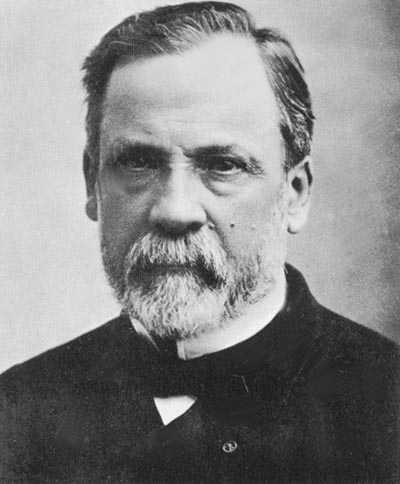
The interest of historical knowledge in the teaching of science and was encouraged by L. Pasteur who said that "students should know and remember the individual efforts of the first researchers to make their techniques work, and even the methods used in its preparation. Educators must try to ensure that students know the difficult gestation of many of them, in order to clarify and expand their intelligence and thereby make them capable of producing science for themselves. "

Louis Pasteu
Louis Pasteur


The Origin of Food Science and therefore Hygiene, Inspection and Food Control, can be traced to the very beginnings of human history, in trying to get this food to meet their nutritional needs. On the other hand, if the power is inherent with human species, hygienic standards, more or less elementary, are necessarily linked to it. This forced dependence on food supply man to deepen the study of food, which is the starting point of the historical evolution of Food Science and Science, which can be considered in two basic stages.

empirical Time
The first food hygiene practices were performed by primitive man when he learned to distinguish those toxic or contaminated food, as Hippocrates stated, its use was often cause gastrointestinal disturbances. In fact, it might be the woman, who in early times was responsible for the harvesting of fruits and berries for food, the first to make a food control, intuitively differentiating harmful foods which were not and establishing a cause-effect relationship between eating a particular food and digestive upset occurred after some time. Given the need for more food, we developed activities such as hunting and domestication of animals represented a change from the traditional vegetarian diet (fruit and seed collection) to a higher consumption of meat and viscera of animals. The discovery of fire was also a momentous change in eating habits and had a significant impact on food hygiene from the point of view of food preservation. The development of agriculture in the Near East led to the emergence of civilizations characterized by advanced agricultural knowledge from different cereal crops like wheat, rice, barley, oats and millet.

These advances in food production and supply forced the man to start in the field of processing and storing the data. Highlights Egyptian civilizations, Greek and Roman and prepared foods such as bread, wine, olive oil, cheese, beer, honey, applied salting and smoking techniques for the conservation of fish and meat and canned food were both vinegar and in brine.

In this context, one begins to worry the relationship between food consumption and the emergence of diseases, beginning to recognize empirically food with harmful substances can cause food poisoning. In this regard, stresses the concern of different religions at the time of hygienic practice animal sacrifices were offered to the gods and proceed to the subsequent recognition of their meat. In fact, there are historical references to ancient Egyptian practice of meat inspection, assigned to the priestly caste who practiced medicine in the temples (Parisier, 1975). Also, among the inhabitants of the regions of the Tigris and Euphrates, hygiene practices food were the sole mission of priests. Perhaps because of this, the first religions established some food legislation in the form of religious precepts and prohibitions, and police food was in the early days, a priestly function. For centuries the laws of the Israelites detailed food could be eaten and that they must be rejected, the forms of preparation, clean-up measures to be taken by the handlers, good practices of slaughter and inspection of animals as reflected in the book The Talmud.

There is evidence that, as in Classical Greece, applied certain hygiene standards in the inspection of food, especially on meat for their ability to alter, as they knew the pathological effects of parasites in the flesh. In ancient Rome, meats, and foods in general, are subjected to inspection by the state authority, represented by praefecti (praefectus annonae and praefectus urbis) and direct inspection conducted by the Aedili curuli, officials who were attending taxes and the control of food (fit or unfit). Date of 150 BC the first fines for selling uninspected meat previously. And ritual sacrifices were not made but ruled killings, which designed the first slaughterhouses. The Romans instituted the official inspection of food supplies, as is often adulterated bread, wine, milk, beer and even fish.

In the Old Testament contained the first written references to food hygiene, particularly in books 3 and 5 of the Pentateuch, Leviticus and Deuteronomy respectively. In Leviticus (Chapter XXI and XXII) are collected hygienic performance of the priests during the slaughter of animals "... nor shall his ministry if it were blind, if lame, if the nose girl, or big, or crooked , if broken foot, or hand-armed, if hooked, if bleary-eyed, if you tag the eye, if incurable itch, if a vamp in the body or out potroso "as well as the hygienic conditions of the animals for slaughter," if the animal is blind, if broken, though I have sore or warts, or scabies, or uppers, not offer up the Lord, neither do ye burn anything from him on the altar of the Lord. " In Deuteronomy (Chapter XII and XIV) are described that are considered clean animals that can be consumed unclean and are prohibited. According to this book, the animals serve as food fit for man must have cloven hooves and chew, while the meat of animals killed, wounded or sick, the flesh of animals and birds of prey, reptiles and pork consumption is prohibited. Among aquatic animals, are considered edible only fish with fins and scales. These provisions were the result of the risk, at that time already known, transmission of bacterial and parasitic diseases associated with consumption of these types of meat.

More recommendations sanitary religious precepts are found in other civilizations. The Book of Manu (500 BC), the foundation of religious behavior of the Brahmins of India, should be indicated as the carnización of animals and dressing of meat. In the Koran (644 AD) mentions "you are forbidden to dead meat, blood, pork, the animal on which it has invoked a different name of God, the animal died from beatings, from a fall, gored, and the devoured by wild beasts, even if you still sacrificáis the upright stones of the slain "(v. 5.3).

In the Middle Ages, professional major cities of Central Europe were the main responsible for the regulation of trade, highlighting the guilds of butchers, fishmongers and bakers that have enacted regulations to prevent the adulteration of food. It was in 1276, in Augsburg, where it was decided that the sacrifices were carried out in public slaughterhouses. Another important aspect to consider is the consequences of the discovery of America in relation to the incorporation of new foods and the need to load the holds of ships with supplies lasting for large shipments. Nationally, it appears that the first slaughterhouse was located in Malaga, because in a Royal Charter 1498, is ordered transferred. In Seville in 1525, is aware of the existence of a slaughterhouse, undertaking to comply with certain rules of hygiene in the food trade. At this time, inspection and seizure were assigned to the "faithful or suppliers' markets, local authority representatives, without specialized studies, which came to be important in certain capitals where they reached the degree of "suppliers deputies." During this time, knowledge, Health, Food Inspection and Control were based on religious beliefs and the conclusions drawn from observation and experience. This involves an examination of empirical food, unscientific and many times not without superstition. No significant changes to the birth of the veterinary profession, when veterinarians were replaced by the "providers."

scientific Stage
For an overview general the influence of scientific knowledge in the historical development of the Hygiene, Inspection and Food Control, those investigations are briefly explained most interesting in the various scientific fields related to this discipline. Not until the nineteenth century when the vet takes the full weight hygienist and food inspector, as it is from this time that events began to happen that identified the relationship between diet and health. As further knowledge of human and animal pathology, leads to the conclusion that certain diseases could be transmitted from animals to humans through consumption Meat from sick animals. In this respect, were the findings of the first magnitude in Parasitology and Bacteriology. From the seventeenth and eighteenth centuries, the social concern against taeniasis, trichinosis, and tuberculosis, along with advances in chemistry and microbiology, led to a stage in the control of health food and an important impetus to the development of this discipline .

regard to advances in microbiology, although the organisms were first described by van Leeuwenhoek (1675), was Louis Pasteur who, 200 years later, did understand the scientific world the importance of the observations from the first. Pasteur investigated many diseases of man and animals, proving without a doubt, that bacteria were the cause behind many of them. His research had a particular importance in the science of Alimentos.Como result of the discoveries of Pasteur, doctors and veterinarians began to take responsibility for the fight against zoonoses and animal diseases such as basic food hygiene. Moreover, in this era began to acquire scientific knowledge on the relationship between the consumption of contaminated food and poor hygiene with the emergence of bacterial diseases in humans. Some scientific findings of importance in food microbiology are:

Van Leeuwenhoek
Van Leeuwenhoek

- John Snow (1854) identified the main drinking water source for the spread of cholera
- William Budd (1856) concluded that typhoid fever was spread with milk or drinking water contaminated
- Gaertner (1888) described for the first time, a bacteria capable of causing food poisoning and, later identified as Salmonella
- Van Ermengem (1896) identified the causative agent Clostridium botulinum
botulism - In 1914, he found the relationship of the staphylococci
foodborne illness - between 1945-53 Clostridium perfringens is identified as responsible for food poisoning.

John Snow
John Snow

William Budd
William Budd

In short, a better understanding of general pathology, advances in histopathology, the discovery of bacteria and parasites, the role played by some veterinary (clinical and microbiologists) and verification of the existence of zoonotic diseases is determined to have these professionals as an essential part of the inspection and food control (Sanz, 1988). The

highlight major changes in the field of food technology are the development of methods of pasteurization and sterilization or appertisation fundamental to ensure hygiene and food conservation. Nicholas Appert devised a system that was achieved by extending the useful life of food, keeping them in the popular cans. This method was called "appertisation or sterilization" and was awarded 12,000 francs by Napoleon, as it was used to provide a better supply of food to the French. The method of pasteurization is named after Pasteur (1869) and was first applied time in order to sanitize the milk for human consumption (1890).

growing food demand and the numerous discoveries of chemistry in the seventeenth and eighteenth centuries led to a breeding ground for fraudulent adulteration of food. These facts complicate the task of inspection and sanitary control of the same, because it was more difficult to detect such fraud. Therefore, chemical methods were needed to ensure product quality and prevent tampering. In this context, we highlight the work of Fredrick Accum (1820) that, in his own laboratory, carried out a consulting activity and food analysis and fought against tampering with simple methods, such as the determination of alum in bread by precipitation with barium chloride, lead or cheese or well water by precipitation with hydrogen sulfide, these methods being reflected in his book entitled "Treatise on Adulterations of Food and Culinary Poisons. " These studies on food adulteration were taken up subsequently by Warley (1855) and led to the publication of the book "Food and Its Adulterations." These scientific findings were an appeal to governments on the need for legislation on food, in order to prevent adulteration food and ensure its safety.

Origin of the Hygiene, Inspection and Food Control
Until the eighteenth century, fraudulent practices or alterations were limited to the removal of some of the weight or volume of food purchased, the incorporation of substances inert to increase its weight and volume, selling meat of dead animals of sporadic or infectious diseases and decomposed food, which tastes and smells disgusting is masked, as in the Middle Ages, with the addition of various herbs and spices (Sanz, 1988).

consumer concern when they understood the seriousness of food adulteration and the toxicological risk of certain substances fraudulent, along with new knowledge in Science and Food Technology, leading to a progressive increase in security measures and understand the importance of establishing systems inspection and food control, by government agencies as a means of safeguarding public health. Among the actions taken, highlights the development of legislation that tightened measures against adulteration and the great effort of scientists to establish the inherent properties of food, chemicals used as adulterants and how detection. Hence, during 1820-1850, the general chemical, and food in particular, experienced a great development in Europe.

In the twentieth century with the arrival of the 2 nd industrial revolution are transforming rural societies to urban areas, with consequent concentration of population. This led to major changes regarding the practices of collection, processing and preparation of food. Moreover, the revolution of Organic Chemistry, with the appearance of many commercial chemical compounds, involved large economic and health benefits for agriculture and animal production through the application pesticides and veterinary drugs in therapeutics. However, the use of these compounds pose a risk to public health because they may be residues of these pesticides in food, join the food chain and lead to alterations patológicastras ingestion, because of their toxicity, committing guarantees of food safety. Therefore, the Health, Food Inspection and Control is a discipline continuously updated, because these advances in the field of food that pose new risks to be controlled to further ensure the safety, nutritional value and market value of food.

Today the boom of the food industry advances in food technology, the development of analytical methods, the emergence of new products (food or ingredient) and the modernization of marketing channels require more government intervention to ensure the safety of food. In fact, during the beginning of this century are witnessing the creation of institutions that aim to ensure consumer safety and health conditions of the population, regulating and coordinating the discipline of Health, Food Inspection and Control by guidance or codes of practice. Of these institutions can be mentioned:

International Institute of Agriculture (1905)
- International Bureau for Public Health (1907), created after the signing of the Rome Convention, provided with a permanent committee based in Paris.
- International Organization for Food and Agriculture Organization (FAO), founded after the United Nations Conference for Food and Agriculture, held in Virginia
(1943) and Quebec (1945), which initially set based in Washington moved permanently to Rome in 1951. This organization has a role in the adjustment and harmonization of laws relating to food safety.
-World Health Organization (WHO) (1948), created after the newborn United Nations convened in New York, an International Health Conference, which adopted the draft constitution of the WHO, based in Geneva. Its main mission is to promote better health worldwide.
- Codex Alimentarius Commission (1962), formed to implement the joint FAO / WHO Food Standards and is responsible for developing the Codex Alimentarius, which is defined as a collection of internationally adopted food standards aimed at protecting the health and economic interests of consumers and ensure fair practices in food trade.
These agencies urged governments to carry out studies on the conditions técnicossanitarios were gathering food for human consumption, which resulted in the preparation and / or development of the National Food Code. Both the evolution of knowledge in fields such as bromatológicos Microbiology, Analytics, Technology, Toxicology and Nutrition, as consumers plated increasing demands on quality and variety of food, pose new possibilities and challenges for Hygiene, Food Inspection and Control at different levels.

Scientific and
technology
regard to scientific findings and technological changes, Hygiene, Food Inspection and Control has a future participation on the following points:
- New products such as food and the emergence of new processed foods (biological, dietary / light, enriched , Biotechnology).
- synthesis of chemical compounds (plant and animal therapy to improve production processes)
- Fraud increasingly subtle and sophisticated.
- Increase in food-borne diseases.
- Design of new technologies in food industry relating to food preservation.
- Research depth of the additives.
- Application of new analytical techniques in the inspection and quality control of the food industry (automated on-line).
- Procedures and unconventional packaging materials that get lengthen the shelf life of food.
- The study of microorganisms "emerging pathogens" in foods (Salmonella enteritidis, Listeria monocytogenes and Escherichia coli serotype 0157: H7).
- depth study of infectious proteins or "prions" (eg encephalopathy Bovine spongiform BSE / BSE).
- Participation in programs to protect and defend the environment and ecotoxicology through Environmental Management Systems in food processing industries.

socio-cultural changes
Among the socio-cultural changes experienced by the population and that have shaped a new perspective of Hygiene, Inspection and Food Control, including:
- The consumption of food away from home and changes in eating habits and family and social structure.
- greater social concern for a healthy and nutritious.
- The association organized consumer groups and major quantitative and qualitative requirements of the same in relation to food hygiene status of
- The sale of food in supermarkets and new marketing channels.
- Increased consumption of semi-processed and processed food.
- The mobilization of mass tourism and introducing new trends in the supply of food to communities and hotels.


Political relations aspects of political relations between countries in the field of Hygiene, Inspection and Food Control, we must stress two facts:
- The opening of borders and the liberalization of markets requires constant changes in food law to suit the needs of countries and continues to meet its ultimate goal of ensuring food safety and consumer protection.
- The type of political relations between countries at certain times and circumstances, they may doubt the credibility of regulators.

Discipline of Health, Food Inspection and Control is designed under two points of view, control products and control of technological applications. That is, food safety depends on the optimal control of all operations from procurement to distribution, sale and consumption. Traditionally, inspection and food control has focused on sampling and analysis of the final product as risk prevention. This type of inspection is not feasible in the situation of a single market, since food move freely without being subject to inspection during the trade and distribution, requiring a thorough control at source of production. Moreover, the health problems often are due to errors in handling or processing procedures. These are the reasons why it is catching on, as the basis for inspection
and food control, detection of errors related to food processing at all stages of the food chain, proceeding to its rapid correction and prevention, especially on raw materials and most decisive stage. This new approach has meant moving from working as mandatory regulations, in tended to make a thorough inspection of the administration as responsible only to the voluntary regulation and self regulation.

This new concept in the control of hygienic quality of food is the system known as Hazard Analysis and Critical Control Points (HACCP), first introduced the National Conference on Food Protection (1971). Subsequently, the American Advisory Committee on Microbiological Criteria for Foods (NACMCF) prepared a document called HACCP Principles for Food Production (1989) which embodies the general background and the 7 principles of HACCP. Since then it has been applied in the food industry, first to prevent microbiological rate risks, and now to ensure the sanitary quality of foods, avoiding biological, physical and chemical. The English translation of this program is the Hazard Analysis Critical Control Point (HACCP).

However, addition to applying a system of prevention of risks associated with food consumption is necessary to develop analytical techniques that allow detection and rapid and reliable identification of biotic and abiotic contaminants that compromise their safety. The introduction of new technologies to the development of immunological, genetic, ultrasonic, image displays, biosensors, etc., Is one of the main pillars of modern food inspection. In short, it should be noted that, in line with that described by other scientists, the future development of the Health, Food Inspection and Control involves:

- measures to prevent more rational quality
- the development and use of analytical techniques more objective, fast, economical and safe
- monitoring of food law more rational and less complex

Annotations
Dr. MANUEL ANGEL AMARO L., Department of Food Science and Food Technology Faculty of Veterinary Medicine. University of Córdoba, Spain.

Canadian Direct Insurance Blog

Bromatology History Concept and importance of food science Bromatology

1 .- CONCEPT:

The Food Science is the science of food in their production, handling, storage, processing and distribution, and their relationship to health.

includes measuring the amounts to be supplied to individuals in accordance with specific diets to be, which is why food science is divided into two broad categories:

  • The antropobromatología, which corresponds to study of food specifically for consumption by humans.
  • The zoobromatología, corresponding to the study of food consumption for different animal species and include the study of values \u200b\u200bin general food and diets.


The food food science studies from various aspects such as nutritional value, sensory, hygienic toilet, and analytical chemistry, including hygiene, toxicity and other problems. (Information from wikipedia ).

2 .- IMPORTANCE:

Its importance lies from several perspectives: Economic
  • Hygienic
  • Legislative

Wanted threefold:

  1. Collect the amount of food required for healthy feeding of a dense and large population
  2. Getting food is pleasing to consumers and maintain quality throughout the year
  3. increase or at least maintaining the nutritional value of food to maintain proper
health

Opi Axxium Soak Off Gel Polish


All about bromatology

in

Saturday, May 22, 2010

Land Value To Acreage


Tattos And Meningitis

Search Results foods, types and characteristics

Definition:
The
foods are substances (natural or synthetic), or mixtures containing plant nutrients (carbohydrates, fats, proteins, vitamins and organic salts), which provide material and energy.

are energetic because they provide energy, repair and regulators are involved in the metabolic process.

Food Groups

Saturday, May 15, 2010

Wendy Calio Shoe Size

rainstorm OF IDEAS AND SOCIAL ENTERPRISE BRAINSTORNING


Brainstorming is a meeting or dynamic employing a group moderator and a procedure to facilitate the generation of ideas. The production of ideas in a group may be more effective than individually.

The basis of the method is that many ideas die from destructive criticism to which they are subjected before they mature or perfected. This system first tries to generate ideas and then evaluate them.
The meeting aims to create a relaxed atmosphere that encourages communication and participation from the audience. Create an environment that encourages open communication and presentation of ideas is fundamental. The motivation of group members is necessary so that the meeting should be relaxed, enjoyable and even fun.
It is therefore vital environment which develops the session and create an environment which facilitates the exposition of ideas without restrictions. It encourages participation by all team members and at first the ideas of others not criticize too outlandish they may seem.
It is put into play the imagination and memory so that one idea leads to another. The method seeks to promote the association of ideas by similarity or opposition. Presentations


Brainstorming requires advance preparation:
should have a place where you can talk uninterrupted and relaxed. A room where members can discuss without distraction. The ideal is to have a chalkboard for all to see and write elements as well as Post-it. You can also use a panel in which are placed in the light of all the Post-it with the ideas that are generated and the subsequent relationships between them.
members are summoned by setting the length of it, the problem is solved, the mechanism used and the issue will focus on creativity.
The meeting consists of two phases: The first phase
all bring ideas but do not allow any criticism or judgments about ideas. From the initial ideas put forward by different group members are generating new rounds of ideas or ideas derived. In the first phase is to produce a large number of ideas even if they seem useless or crazy.
In the second stage and directed by the moderator ideas are selected and performed a critical review. The selection of ideas can be left for a second meeting or preferably be another group to select and prosecute ideas critically.

team
brainstorming group members are motivated and relaxed found to present ideas without hindrance or prejudice. It must build a culture of innovation that is not limited to preconceived ideas. You have to follow four basic rules:
A) No criticism. Is necessary to prevent preconceived ideas and expressions that may block the generation and free expression of ideas. Avoid locks habits, procedures, culture, rules put to the generation of ideas.
B) Do not be conventional. Not everything is invented. The current procedures can be changed to require less time, lower costs, fewer resources and less polluting. Do not take anything for granted.
C) The more ideas better
D) Build on other ideas. Learning from ideas to reach others. Working with visual ideas
Components
group moderator. This is a group activity carried out in a relaxed and encouraging communication of all but it is essential that there is a moderator who will motivate and to channel the session. The director or moderator has to maintain the flow of the meeting, to avoid criticism of the ideas in the early stages of the process and encourage participation.
group members is advisable that an interdisciplinary group. The group should not be too wide between 5 and 7componentes. Stages

brainstorming
Stages of brainstorming:
1. Preheat. It begins by trying to create a relaxed atmosphere for a few minutes a simple issue and not compromised. Important when there are members without experience in the art with certain inhibitions to express themselves.
2. The moderator stalls the problem. Questions such as Why? What?. Determining the problem, identify and distinguish. We briefly outline the starting point, the current situation and the experiences you have. 3.The
reflect components and write each one a long list of solutions or alternatives.
4 Each member presents their solutions at high without debate. Not allowed at this stage try to rebut or other alternatives.
5. After the first round of submissions on the basis of the first group ideas together is proposing new solutions or alternatives. The ideas are recorded in a visible place. The images and visual graphics to help promote creativity and then defining ideas.
6. Discusses how to combine the different alternatives and new ideas are generated. We analyze how they can relate the ideas which were scattered. Ideas are grouped together and interact.
7. Lists all the selected ideas.
8. A later stage you can perform the same group or different group is the evaluation of the selected ideas. It's about discovering solutions. We select the most useful ideas and if necessary weighted.
9. Enrichment. must define in detail the idea, using a sketch or drawing.

is undoubtedly the best method to find solutions to problems and good ideas for achieving fitness goals.